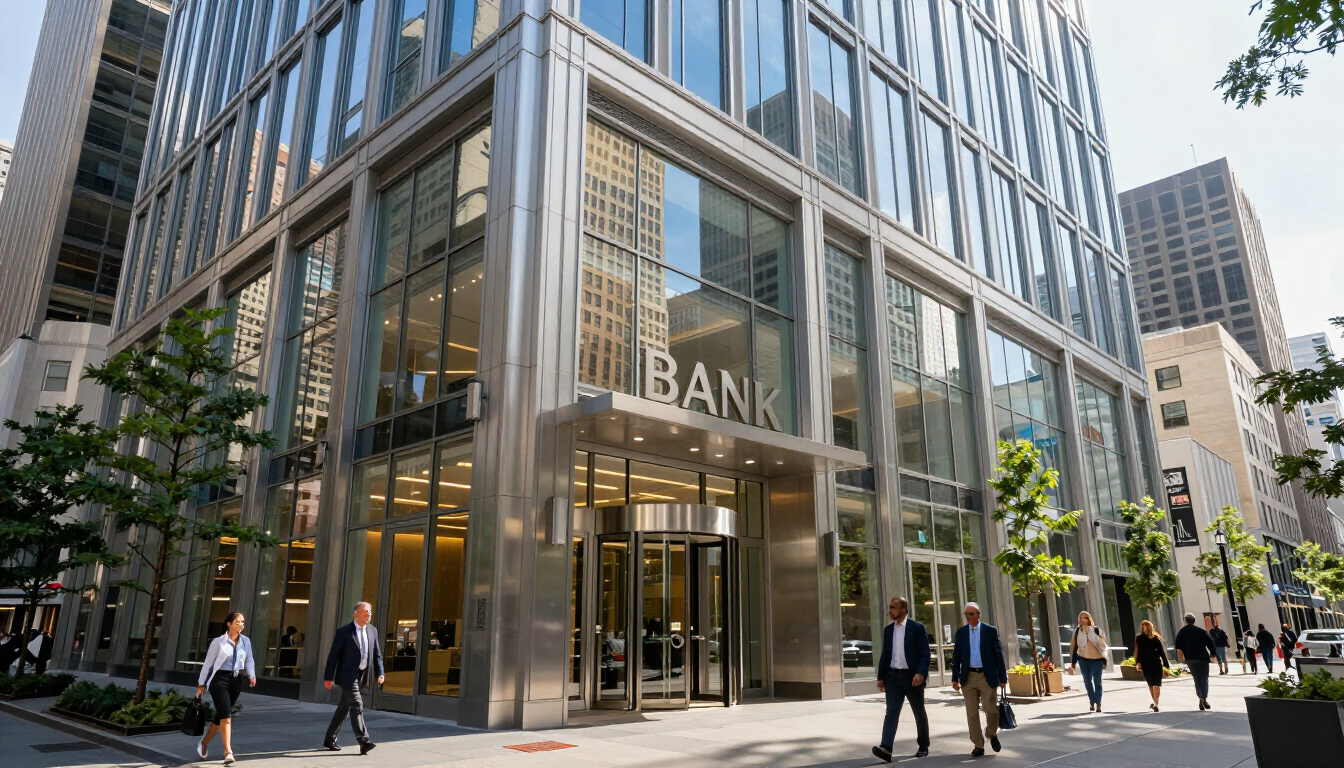
Wait! Are You Really Ready to Buy That Home?

So, you’re thinking about buying a home.
You’ve got Pinterest boards full of kitchen inspo, you’re casually scrolling listings at midnight, and your friends are talking about interest rates like they’re the weather.
But before you dive headfirst into house hunting—wait.
Let’s talk about what “ready” really means when it comes to one of the biggest purchases of your life. Because being ready to own a home is about way more than just having a down payment (although that’s part of it).
Here are the real signs you're ready—or not quite yet—to take the plunge into homeownership:
1. You're Financially Stable (and Not Just on Payday)
Homeownership isn’t a one-time cost. Sure, there’s the down payment, but don’t forget about:
- Closing costs
- Property taxes
- Maintenance & repairs
- Insurance
- Monthly mortgage payments
If your budget is stretched thin every month or you don’t have an emergency fund, pressing pause might be smart. Owning a home can be more expensive than renting in the short term—and those unexpected costs will show up.
2. You’ve Got a Steady Income and Job Security
Lenders like to see consistency. That doesn’t mean you need to be at the same job forever—but a reliable, documented income (ideally for at least 2 years) goes a long way in qualifying for a mortgage.
Thinking of switching jobs or going self-employed? That might affect your eligibility, so timing is everything.
3. You Know Your Credit Score—and You’ve Worked On It
Your credit score tells lenders how risky (or trustworthy) you are. A higher score opens more doors (literally), while a lower score may mean higher rates—or a declined application.
Pro tip: Pull your credit report before applying. Fix errors, pay down balances, and avoid taking on new debt if you’re planning to buy soon.
4. You’re Ready to Stay Put (At Least for a Bit)
Buying a home isn’t just a financial decision—it’s a lifestyle one. If you’re still figuring out your long-term plans, buying might not make sense just yet.
Generally, staying in your home for at least 3–5 years helps balance the upfront costs and gives your investment time to grow. If you’re more of a “see where life takes me” person right now, that’s totally fine—renting can offer the flexibility you need.
5. You’re Not Just Buying Because Everyone Else Is
This one’s big. You’re not behind. You’re not failing. And buying a home just because it seems like the “adult” thing to do is a fast way to end up with buyer’s remorse.
Are you buying because it fits your goals? Because you’re ready to settle, invest in your future, and take care of a space that’s all yours?
If the answer is yes—you’re in the right headspace.
So… Are You Ready?
If you’re nodding along to most of these, amazing! You might be more ready than you think.
If you’re realizing there are a few things to get in order, that’s okay too. It’s way better to prepare well than to rush into something you're not ready for.
Wherever you’re at, I’d love to help you take the next step—whether that’s getting pre-approved, making a plan, or just asking questions without pressure.
Let’s make sure your homebuying journey starts strong.
Connect anytime—I’m here when you’re ready.
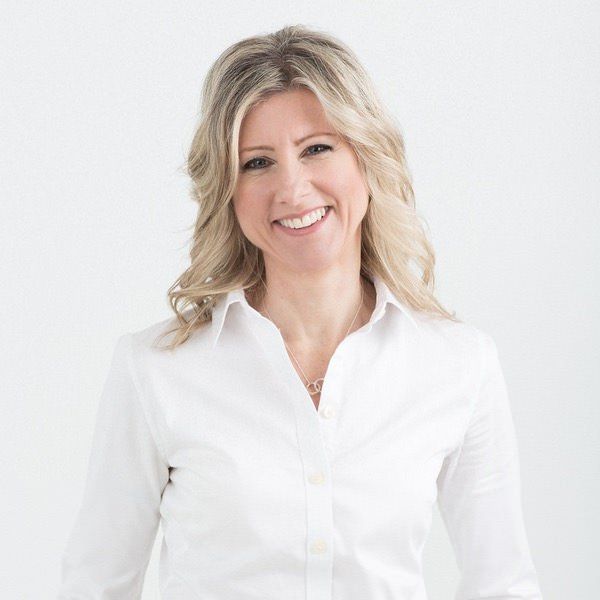
Katherine Martin
Origin Mortgages
Phone: 1-604-454-0843
Email: kmartin@planmymortgage.ca
Fax: 1-604-454-0842
RECENT POSTS